Student Business Ideas in Nigeria 2026 — Make Real Money on Campus
By ShopCart.ng
Published · Reviewed against our editorial standards

The Smartest Nigerian Students Don't Wait Until Graduation
Here's a truth that nobody puts in your orientation booklet: the naira your parents send or that NELFUND drops in your account will almost never be enough. Fees, data, feeding, transport, printing — it disappears faster than you planned. And waiting until you graduate before earning real income is a genuinely risky strategy in Nigeria's economy right now.
The good news? Campus is actually one of the easiest environments in the world to test a business idea. You have a concentrated market of thousands of people with shared needs, low competition from big players, and enough free time between lectures to build something real.
This guide covers ten student business ideas that are working on Nigerian campuses in 2026 — with realistic startup costs and honest advice on each one.
1. Food — The Business That Never Fails on Campus
If there is one business that never fails on Nigerian campuses, it is food. Students always need to eat, especially late at night after long classes or reading sessions.
The key is to own one product and be known for it. Start with one item and dominate it — "best zobo on campus" or "best noodles and egg in the hostel area." Once you have loyal customers, you can expand. Shawarma has also become a staple on Nigerian campuses. If you learn how to make it properly, you can build a loyal customer base fast and take orders through WhatsApp, delivering directly to hostels.
Startup cost: ₦10,000 – ₦50,000 depending on what you're making.
2. POS and Mobile Money Services
POS business is still one of the most reliable student businesses in Nigeria. In 2026, with cash scarcity and bank stress, students still need quick access to cash.
You don't need a full agent banking setup. Many students run informal cash-out services from their rooms using their own debit card and a small float. Transaction fees add up quickly when you're serving a hostel of a few hundred people.
Startup capital: ₦30,000 – ₦100,000 float to get started meaningfully.
3. Thrift Clothing (Okirika)
The okirika business — buying and reselling quality secondhand imported clothing — is one of the most consistent and campus-friendly businesses any Nigerian student can run in 2026. Nigerian university students are highly fashion-conscious, budget-constrained, and already accustomed to purchasing quality thrifted clothing.
With ₦30,000 you can buy an initial selection from wholesale okirika markets — Yaba Market in Lagos, Wuse Market in Abuja, or your nearest wholesale supplier in any city. Sell through WhatsApp status, Instagram, and in person. You can also list items on ShopCart.ng to reach buyers across your campus without running around.
Startup cost: ₦20,000 – ₦50,000 for initial stock.
4. Freelance Tech Skills — Graphic Design, Video Editing, Web Work
In 2026, every business and organisation needs visuals. Departments, student associations, businesses near your campus, small Instagram brands — all of them need flyers, logos, and promo videos. You don't need to be a full developer. Even basic Canva design or CapCut video editing has a real market.
Charge ₦3,000 – ₦15,000 per job starting out and raise your rates as you build a portfolio. As you get better, expand into social media management for small businesses near campus.
Startup cost: Your phone or laptop. Nothing else.
5. Tutorial and Lesson Services
If you're strong academically, this is one of the highest-value businesses you can run on campus. Offer to tutor 100-level students in your strong courses. Group tutorials of 5–10 students at ₦1,500 – ₦3,000 each per session means you can earn ₦10,000 – ₦25,000 in a single afternoon.
You can also sell typed and printed class notes, past questions, and course summaries. Students looking for past questions and textbooks in your department can also find them from verified sellers on ShopCart.ng. If you're creating and selling materials yourself, listing there gets you more buyers.
Startup cost: Essentially zero — your knowledge is the product.
6. Laundry Service
Many Nigerian students hate washing clothes, especially during exam periods or in dry season. A simple laundry pickup-and-deliver service targeting your hostel can generate reliable weekly income.
Charge per piece or per basin. Keep it simple to start — a few loyal hostel customers who pay weekly is better than chasing new clients every week. Add pressing and ironing and you can charge a premium.
Startup cost: ₦5,000 – ₦15,000 for washing materials, hangers, and a drying rack.
7. Data Reselling
Students consume data heavily in 2026. Becoming a sub-reseller for MTN, Airtel, or Glo lets you sell at a small discount to market price while still making a margin. Your customers are already your classmates and hostel neighbours.
Sign up with a legitimate data reseller platform, load your wallet, and start selling via WhatsApp. The business requires almost no physical activity and runs 24 hours a day.
Startup capital: ₦5,000 – ₦20,000 to load your initial wallet.
8. Hair, Makeup, and Beauty Services
Female students always need their hair done, and many prefer doing it in a familiar, relaxed environment rather than going off campus. You can offer braiding, weave fixing, lock maintenance, and simple hair treatments.
There is always something happening on a Nigerian campus — matriculation, convocation, departmental dinners, Valentine's Day, end of year parties. Every event means students need to look good. If you can do makeup or tie gele, your peak earnings are event-driven and predictable.
Startup cost: ₦5,000 – ₦20,000 for basic tools and products.
9. Print and Photocopy Business
Every student prints. Assignments, past questions, handouts, project drafts, clearance forms — the demand is constant throughout the semester and spikes heavily around exams and project deadlines.
If you can access a printer — either your own or a shared arrangement — operating a print and photocopy service from your room or a central hostel location is a steady earner. Students will pay for convenience and not having to queue at the library.
Startup cost: ₦80,000 – ₦200,000 for a decent second-hand printer and consumables. This is the higher-capital option but returns are consistent.
10. Campus Delivery and Errand Services
Many students don't want to leave their rooms for small purchases — food, stationery, recharge cards, snacks. Charging ₦200 – ₦500 per errand adds up fast when you're doing 10–15 runs a day.
This works especially well if you have a bicycle or motorcycle. But even on foot within a small campus, a reliable delivery service run via WhatsApp can become a genuine income stream.
Startup cost: Little to nothing — your legs and your phone are the business.
The Rule That Separates Students Who Build Wealth from Those Who Don't
If a business demands you run around all day, it will damage your grades and your mental health. The best campus businesses are those that fit around your timetable, not against it. Start one thing, do it well, build a reputation, then scale or add a second income stream.
And whatever you're selling — products, food, services — consider listing on ShopCart.ng to reach more buyers on your campus. It's free, your customers are already there, and it removes the stress of finding buyers one by one.
Get Your Study Materials on ShopCart
While you hustle, don't let your grades slip. Find past questions, textbooks and study guides from verified student sellers on ShopCart.ng. It's free to browse and most items ship same-day within your campus.
What students are buying and selling on ShopCart

Coconut bread and banana bread freshly baked , plain 2,000,choloclate toppings 2,500, Oreos toppings 3,000
₦2,000
Osun State University

Oud Al Layl set
₦20,000
Osun State University
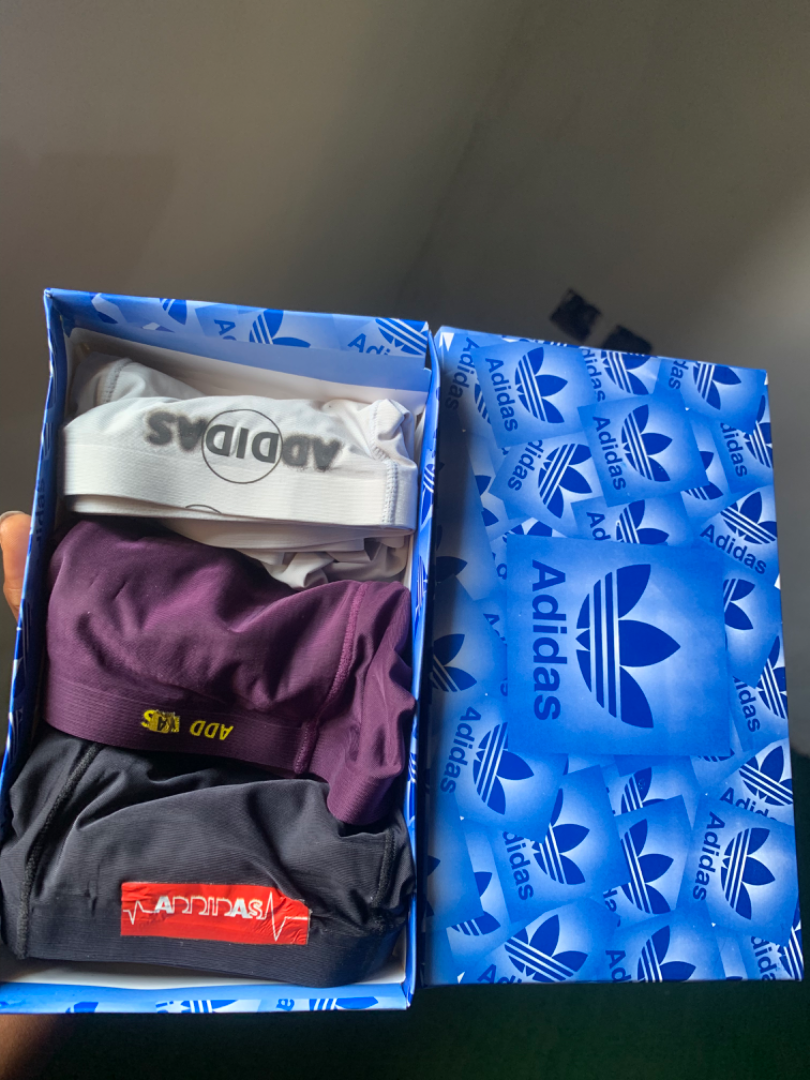
3 in 1 adidas condom boxers
₦6,000
The University College Hospital (UCH), Ibadan
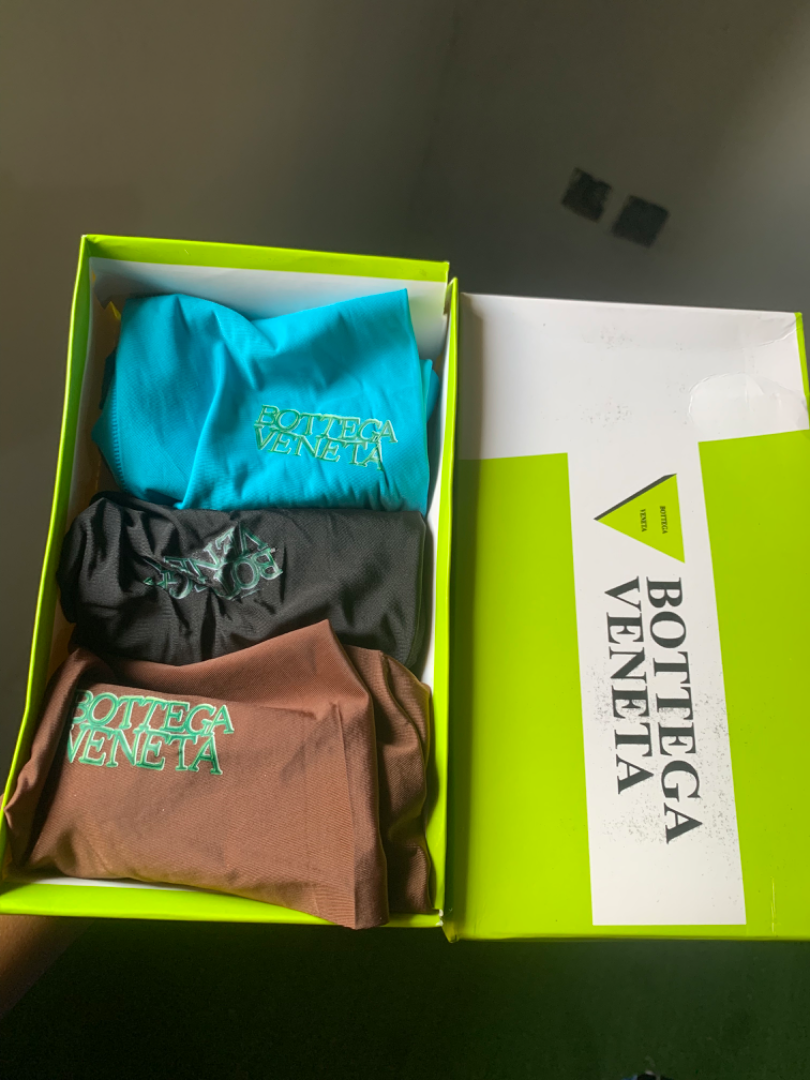
3 in 1 Bottega Veneta
₦6,000
The University College Hospital (UCH), Ibadan
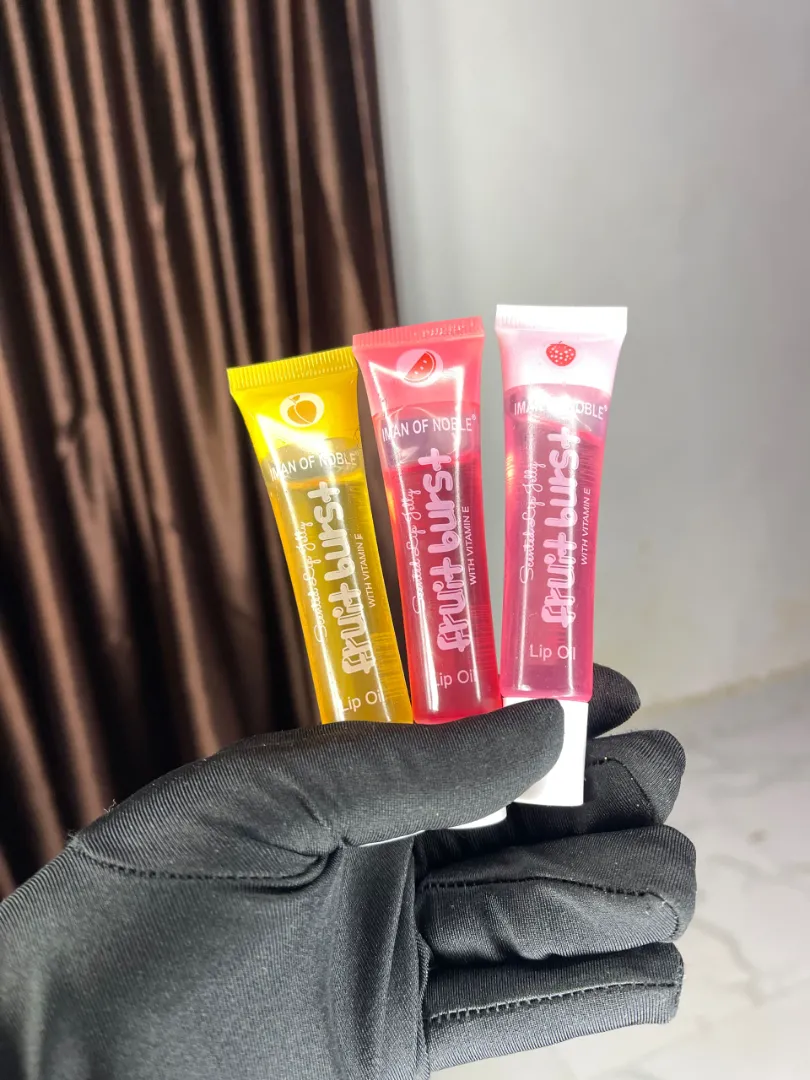
Iman of noble lip oil
₦1,000
University of Ibadan
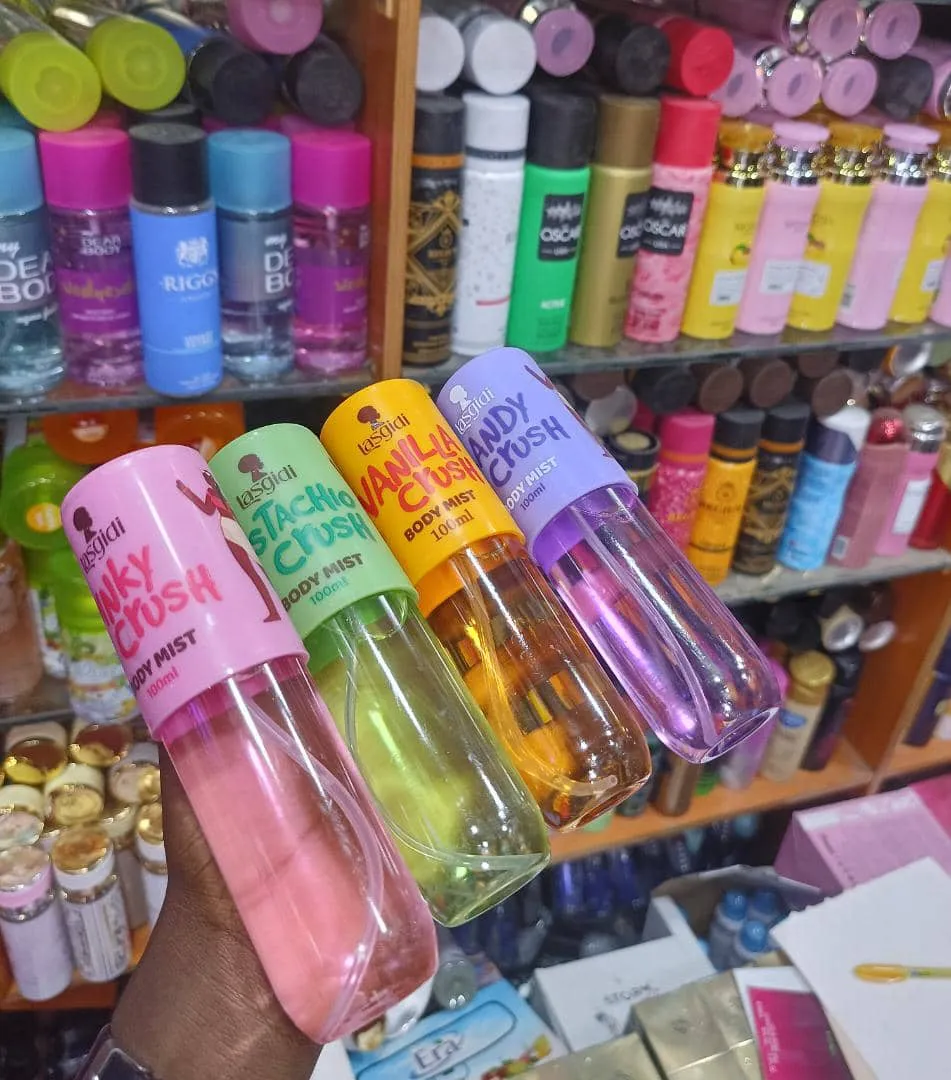
Vanilla Crush
₦3,000
University of Ibadan
OAU Post-UTME Past Questions & Answers (All Faculties)
8 students downloaded · PDF · No payment required
downloadDownload FreeKeep reading
Nigeria Undergraduate Scholarships 2026/2027: Full List
Looking for scholarships as a Nigerian undergraduate? Here's a full, updated list for 2026/2027 — national, state, corporate, and foundation-backed — with deadlines and how to apply.
Admission Without JAMB 2026: 7 Legal Routes Explained
Didn't do well in JAMB, or want to skip UTME entirely? Here are 7 legitimate routes into a Nigerian university in 2026 — IJMB, JUPEB, Direct Entry, NOUN, and more.

How Many Candidates Wrote JAMB 2026? Full UTME Registration & State-by-State Breakdown
2,243,816 candidates registered for the 2026 UTME. Full state-by-state breakdown of registration numbers, exam dates, and how many candidates actually sat the exam.