Why Campus Businesses Are Beating Jumia for Student Shoppers
By ShopCart.ng
Published · Reviewed against our editorial standards

Jumia arrived in Nigeria with a promise: buy anything, from anywhere, delivered to your door. For a country with fragmented retail infrastructure, that was genuinely revolutionary. But a decade later, a quiet revolt is happening on university campuses across Nigeria — and it is being led by students.
More and more student buyers are skipping the apps and turning to the person three hostels away who sells the exact same product, delivers within the hour, and actually picks up their calls.
This is not sentiment. It is economics.
The Jumia Experience vs. The Campus Experience
To understand why campus businesses are winning, you need to understand what student shoppers actually need — and where Jumia consistently falls short.
Delivery Speed
Jumia's standard delivery window in major cities is 2 to 5 business days. On a university campus, that timeline is almost meaningless.
A student who needs a data cable before a 4pm submission, a fabric for a 9am presentation, or a meal before an evening lecture cannot wait until Thursday. Campus sellers operate at a completely different clock. Many deliver within 30 minutes — sometimes less. Some walk the item over personally.
When speed is the deciding factor, a campus seller wins before the comparison even begins.
The Real Cost of "Free Delivery"
Jumia's delivery fees are a constant source of friction for student buyers. What looks like a ₦3,500 product quickly becomes a ₦5,200 checkout total once handling charges, logistics fees, and service costs stack up.
Campus sellers have no warehouse, no logistics partner, and no corporate overhead to pass on to the buyer. Their pricing reflects their actual cost. A student selling phone accessories from their room does not need to factor in a distribution centre in Isolo. That saving goes directly into the buyer's pocket.
For students managing tight monthly budgets, this gap is significant.
Accountability You Can Actually See
Jumia's dispute resolution process is notoriously painful. If a wrong item arrives, a product is damaged, or a delivery simply vanishes, the resolution cycle can stretch across days of back-and-forth with customer service representatives who have no personal stake in your outcome.
Campus commerce works on reputation. A seller who lives two streets from your hostel, who shares a lecture hall with you, who your coursemate also patronises — that seller cannot afford to disappoint you. Their business runs entirely on referrals and word-of-mouth within a tight community. The social accountability is built in.
If something goes wrong, you do not open a ticket. You walk over.
Products Built for Student Life
Jumia's catalogue is broad by design — it serves a national market. But that breadth comes at a cost. The platform is not curated for the specific, practical needs of a 200-level Engineering student in Benin or a 400-level Mass Comm student in Enugu.
Campus sellers stock exactly what their immediate market needs. Meal options timed around lecture schedules. Fabrics sold by the yard for department events. Phone accessories priced for students, not office workers. Affordable fashion pieces that match campus culture, not corporate catalogues.
The product-market fit is sharper because the seller is also the customer.
Why This Shift Is Accelerating Now
Several forces are coming together to make this moment significant.
Smartphone penetration on campuses has reached saturation. Nearly every student has a device capable of browsing, paying, and communicating digitally. The infrastructure for campus e-commerce now exists at scale.
Digital payment adoption is now default. Bank transfers, Opay, Palmpay, and mobile wallets have made peer-to-peer transactions frictionless. A campus seller no longer needs a POS machine or a physical storefront. They need a product, a phone, and a platform.
Students trust peers over platforms. Research consistently shows that younger consumers prioritise authenticity and community over brand prestige. A fellow student selling food or fashion carries an inherent credibility that a faceless national logistics company cannot replicate.
The cost of living crisis is real. As inflation continues to squeeze student budgets, every naira saved on delivery fees and inflated product markups matters. Campus sellers, with their lower operational costs, are naturally positioned to offer better value.
What Campus Sellers Still Need to Win Long-Term
Campus commerce has clear advantages — but it also has historically struggled with visibility and trust at scale. A buyer who doesn't know a seller personally has no way to verify their credibility. A seller with a great product has no way to reach buyers beyond their immediate social circle.
This is where platforms like ShopCart are changing the equation. By giving campus sellers a verified digital storefront, a searchable product catalogue, and a structured order and payment system, the informal advantages of campus commerce are now paired with the structure and trust of a proper marketplace.
A student in one faculty can now discover and buy from a verified seller in another faculty — with the same accountability and speed that campus commerce has always offered, but with the reach and reliability that informal channels could never provide.
The Bottom Line
Jumia built an empire for a national market. But national solutions have always struggled with last-mile, high-frequency, low-ticket transactions in dense, time-sensitive environments like university campuses.
Campus sellers are not beating Jumia by out-spending them or out-marketing them. They are beating them by being closer, faster, and more accountable — in an environment where those three things matter more than brand recognition or loyalty points.
The shift is already happening. The only question is how far it goes.
What students are buying and selling on ShopCart
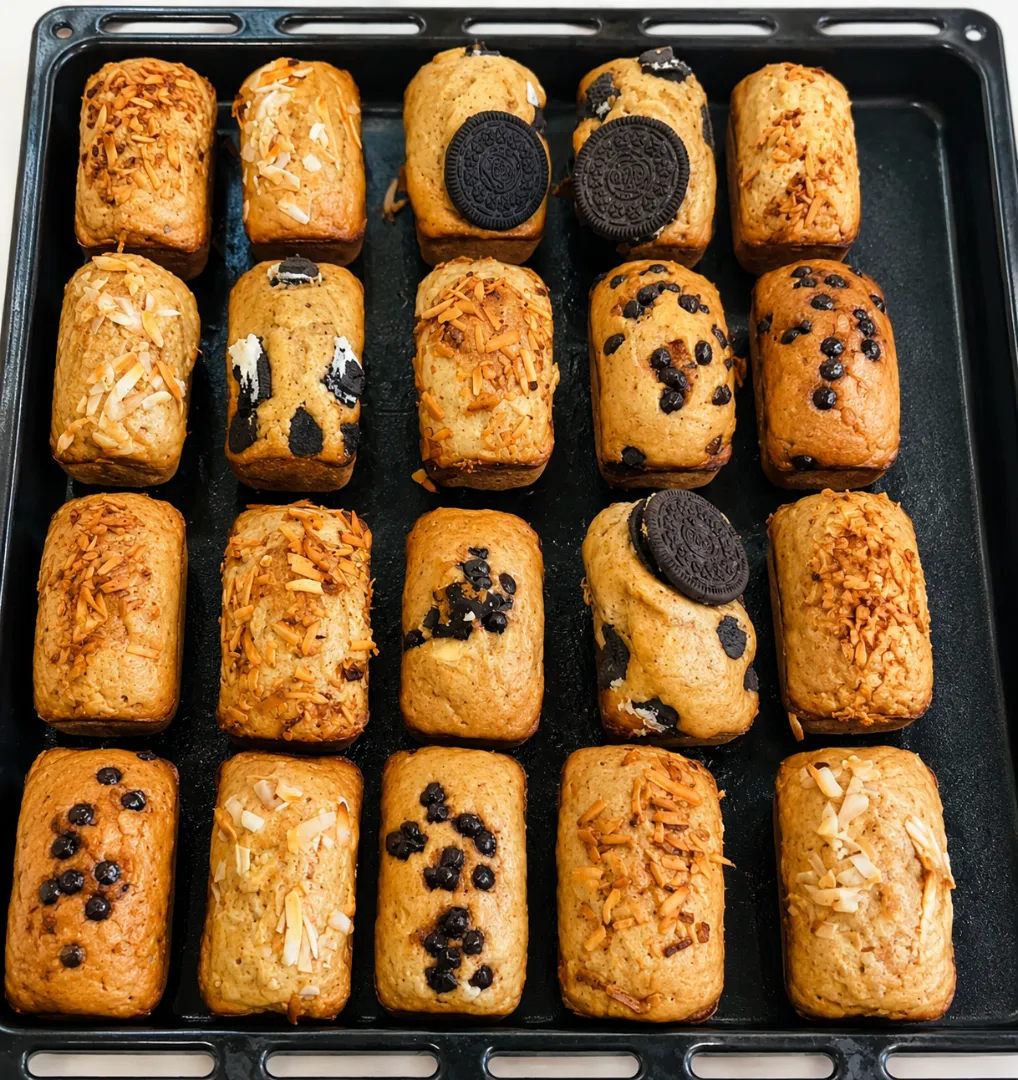
Coconut bread and banana bread freshly baked , plain 2,000,choloclate toppings 2,500, Oreos toppings 3,000
₦2,000
Osun State University

Oud Al Layl set
₦20,000
Osun State University
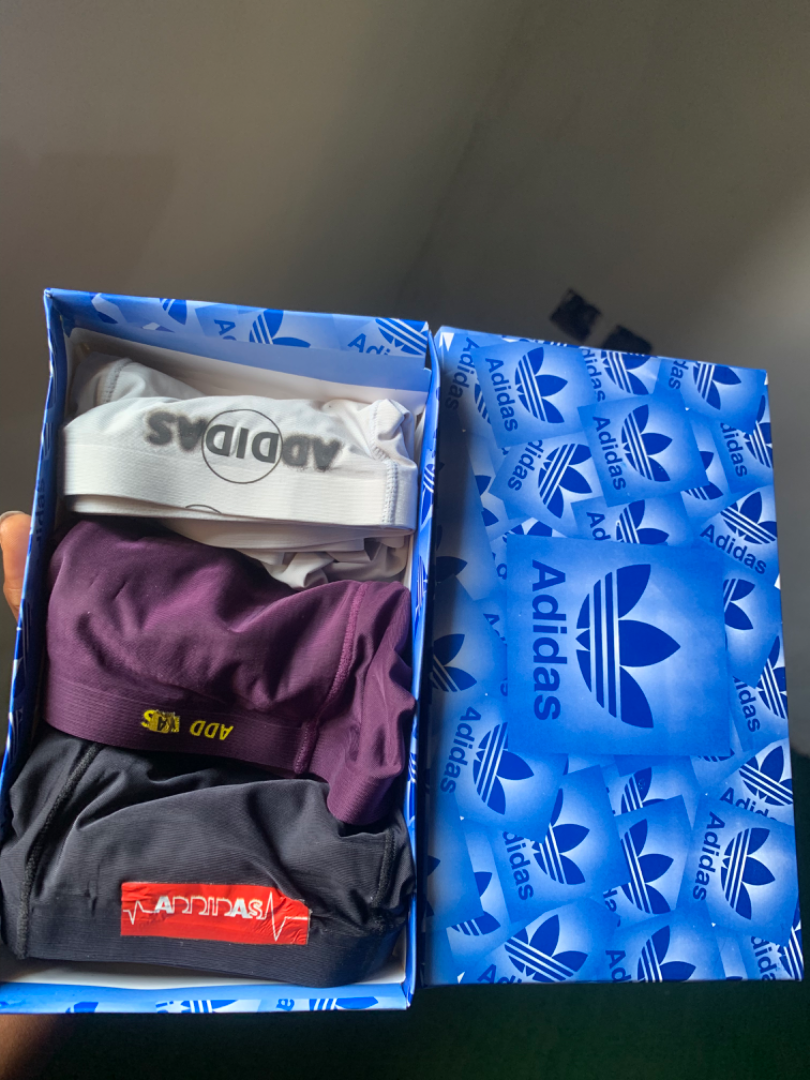
3 in 1 adidas condom boxers
₦6,000
The University College Hospital (UCH), Ibadan
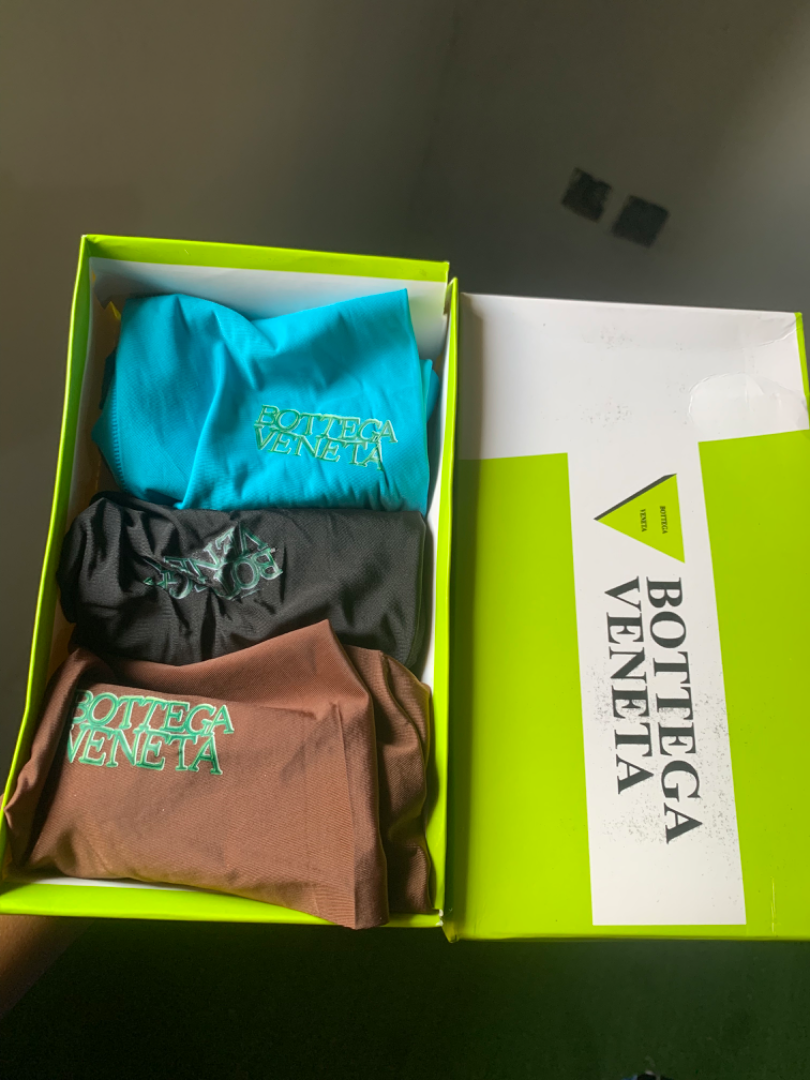
3 in 1 Bottega Veneta
₦6,000
The University College Hospital (UCH), Ibadan
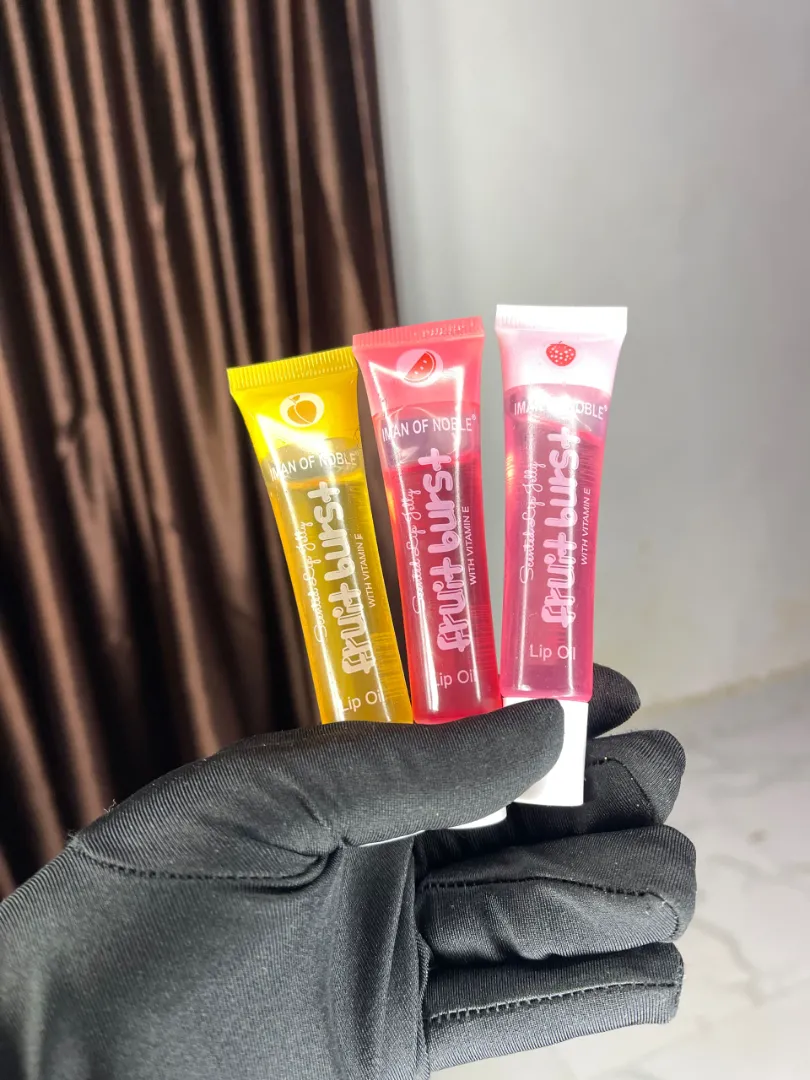
Iman of noble lip oil
₦1,000
University of Ibadan
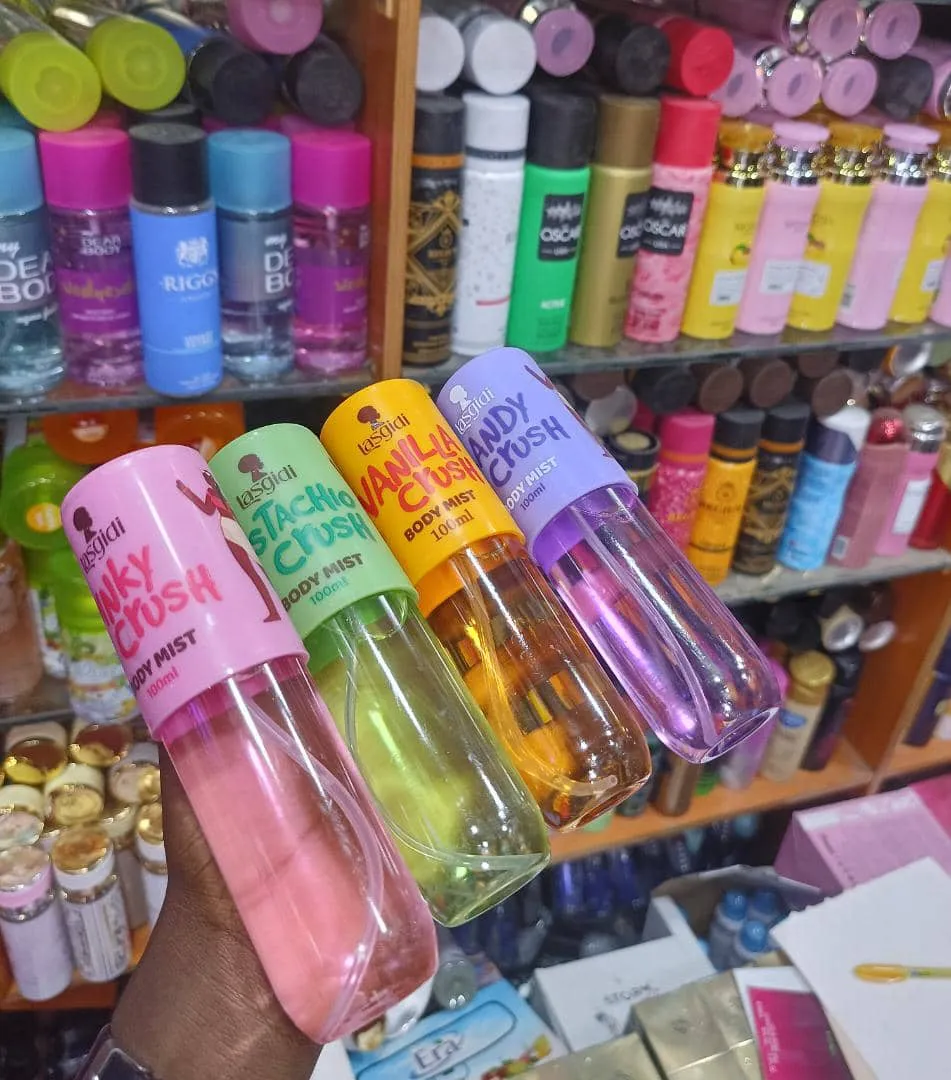
Vanilla Crush
₦3,000
University of Ibadan
OAU Post-UTME Past Questions & Answers (All Faculties)
8 students downloaded · PDF · No payment required
downloadDownload FreeKeep reading

How to Start Selling on ShopCart.ng: A Simple Guide for Student Entrepreneurs
You don't need a shop, a loan, or a WhatsApp status to build a real campus business. Here's your complete step-by-step guide to launching your ShopCart store and making your first sale today.

Best Courses to Study in Nigeria Without a High JAMB Score
Scored between 150 and 190? Here are the best courses to study in Nigeria that accept lower JAMB scores — with strong career prospects, less competition, and real employment value.
Nigeria Undergraduate Scholarships 2026/2027: Full List
Looking for scholarships as a Nigerian undergraduate? Here's a full, updated list for 2026/2027 — national, state, corporate, and foundation-backed — with deadlines and how to apply.