Best Solar Panels & Lithium Batteries in Nigeria 2026: Complete Buyer's Guide
By ShopCart.ng
Published · Reviewed against our editorial standards
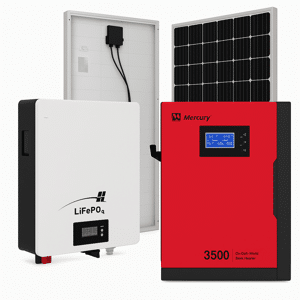
Best Solar Panels & Lithium Batteries in Nigeria 2026: Complete Buyer's Guide
Harnessing the sun is no longer just an environmental statement in Nigeria — it is a strategic economic move. With grid instability and the rising cost of generator fuel, demand for high-performance solar components has skyrocketed. This guide covers the best solar panels and lithium batteries available in the Nigerian market for 2026, helping you build a system that lasts for decades.
Why Choosing Quality Components Matters
A solar power system is only as strong as its weakest link. The solar panels are the lungs (gathering energy), and the lithium batteries are the heart (storing and pumping energy).
In Nigeria's tropical climate — where temperatures soar and dust accumulates — cheap unbranded components often fail within two years. Investing in Tier-1 brands ensures you get the efficiency promised on the data sheet.
Part 1: Best Solar Panels in Nigeria (2026)
When shopping for panels, look for Monocrystalline PERC or N-Type Bifacial technology. These are more efficient in low-light conditions (rainy season) and handle heat better than older polycrystalline models.
1. Jinko Solar — Tiger Neo Series
Jinko Solar remains a global leader and a favorite in the Nigerian market. Their Tiger Neo N-Type panels minimize LID (Light Induced Degradation), meaning they stay efficient far longer than cheaper alternatives.
- Efficiency: Up to 22.5%
- Key advantage: Exceptional performance in high temperatures
- Best for: Residential roofs with limited space and large-scale industrial setups
2. Canadian Solar — HiKu Series
Canadian Solar's HiKu and BiHiKu (bifacial) series are widely available in Lagos, Abuja, and Port Harcourt.
- Key advantage: Split-cell technology — if one part of the panel is shaded by a tree or dust, the rest keeps producing power
- Best for: Areas with potential shading issues or high dust levels
3. Longi Solar — Hi-MO Series
Longi is the world's largest manufacturer of monocrystalline silicon. Their Hi-MO series is prized for high ROI.
- Key advantage: Stable wattage-per-square-meter ratios, very cost-effective
- Best for: Large Nigerian estates and commercial hubs
Part 2: Best Lithium Batteries (LiFePO4) in Nigeria
Gone are the days of bulky, maintenance-heavy lead-acid batteries. Lithium Iron Phosphate (LiFePO4) is the gold standard for Nigeria in 2026. They charge 60% faster, last 10–15 years, and allow you to use 90% of stored energy without damage.
1. Pylontech — US3000C / US5000
Pylontech is the most compatible lithium battery brand in Nigeria. It works seamlessly with inverters like Victron, Growatt, and Deye.
- Pros: Modular design (start with one battery, add more later), 10-year design life, built-in smart BMS
- Estimated Price: ₦1,200,000 – ₦2,500,000 depending on kWh
- Best for: Custom and hybrid solar setups
2. Felicity Solar — LPBA / LPBF Series
Felicity has built a massive footprint in Nigeria with dedicated local service centers. Their wall-mounted lithium batteries are both functional and space-efficient.
- Pros: Great local support and technical assistance, over 6,000 cycle life
- Best for: Typical 5kVA or 10kVA home systems where space is a priority
3. Blue Carbon
Blue Carbon has gained strong traction for being rugged — designed for extreme environments and often paired with integrated solar systems.
- Pros: Competitive pricing, high energy density, 10-year lithium lifespan
- Best for: Budget-conscious users who still want long-term reliability
Quick Comparison
- Jinko Solar — Best for hot northern climates, highest heat tolerance
- Canadian Solar — Best for urban areas with tall buildings and shade
- Longi Solar — Best value for large estates and commercial setups
- Pylontech — Best for custom/hybrid inverter setups
- Felicity Solar — Best for daily home and office use with local support
- Blue Carbon — Best budget option with full lithium lifespan
Pro Tips for the Nigerian Buyer
- Check Tier-1 status: Only buy panels from Tier-1 manufacturers — they are financially stable enough to honor their 25-year product warranty
- Never mix battery brands: Keep your battery bank uniform. Mixing a new lithium battery with an older one damages both
- The inverter-battery handshake: Ensure your battery has a BMS that communicates with your inverter — this prevents overcharging and extends battery life
- Ventilation matters: Lithium batteries hate heat. Install them in a cool, dry area to guarantee the full 15-year service life
Conclusion
Transitioning to solar with the right components is not just about having light — it is about energy freedom. By choosing N-Type panels from Jinko or Longi and pairing them with a Pylontech or Felicity lithium battery bank, you are securing a reliable power source that will pay for itself within 3–5 years and continue delivering free energy for a decade more.
The best time to go solar in Nigeria was five years ago. The second best time is today.
What students are buying and selling on ShopCart

Coconut bread and banana bread freshly baked , plain 2,000,choloclate toppings 2,500, Oreos toppings 3,000
₦2,000
Osun State University

Oud Al Layl set
₦20,000
Osun State University
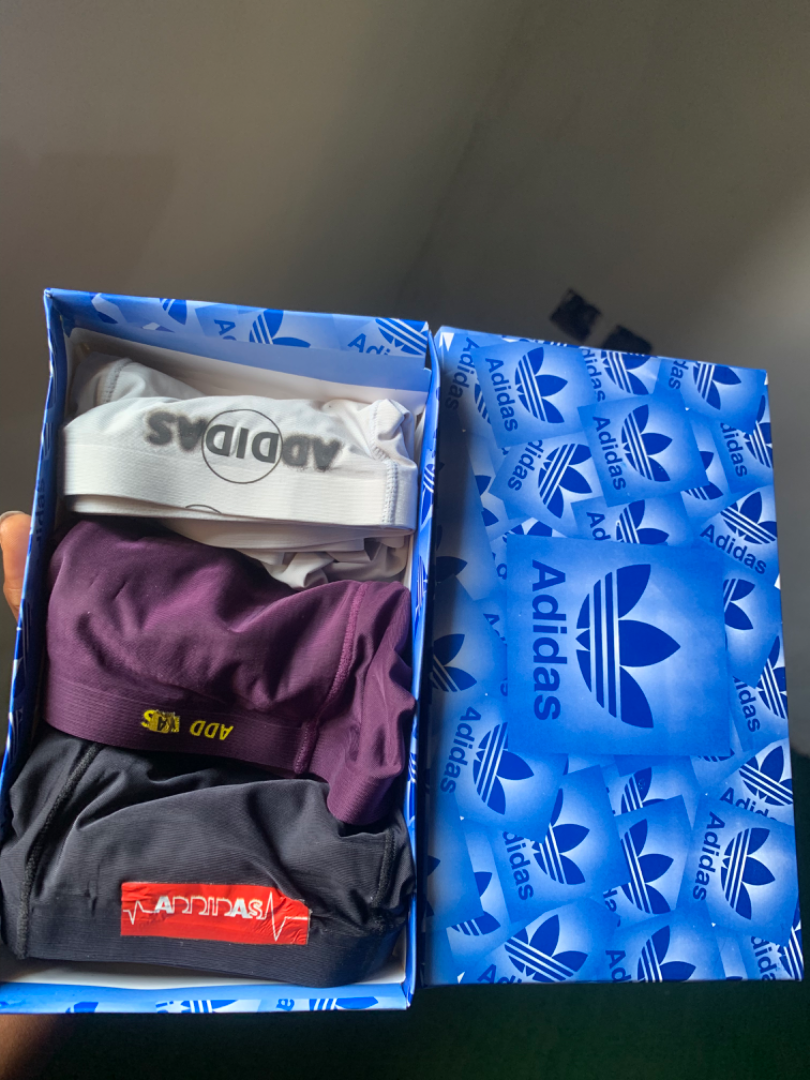
3 in 1 adidas condom boxers
₦6,000
The University College Hospital (UCH), Ibadan

3 in 1 Bottega Veneta
₦6,000
The University College Hospital (UCH), Ibadan
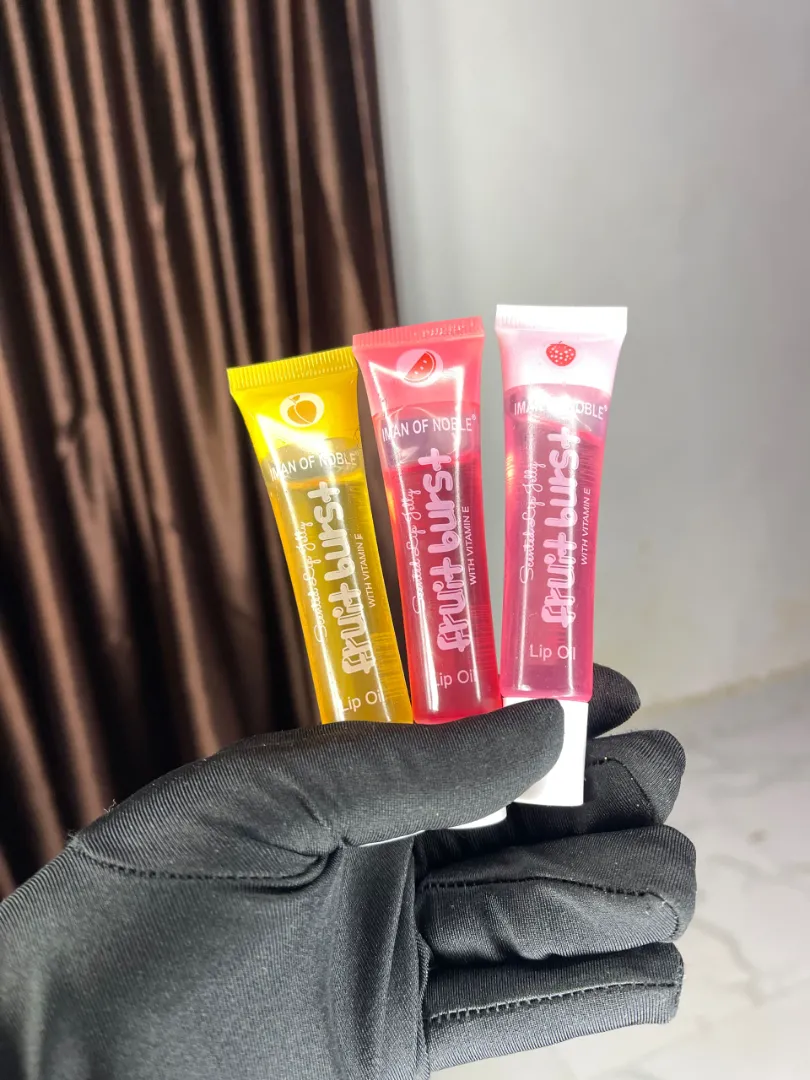
Iman of noble lip oil
₦1,000
University of Ibadan

Vanilla Crush
₦3,000
University of Ibadan
OAU Post-UTME Past Questions & Answers (All Faculties)
8 students downloaded · PDF · No payment required
downloadDownload FreeKeep reading
Admission Without JAMB 2026: 7 Legal Routes Explained
Didn't do well in JAMB, or want to skip UTME entirely? Here are 7 legitimate routes into a Nigerian university in 2026 — IJMB, JUPEB, Direct Entry, NOUN, and more.
UNIABUJA Post-UTME 2026/2027: Is the Form Out? Portal, Cut-Off Mark & What to Do Now
Everything UNIABUJA aspirants need for the 2026/2027 admission cycle — course cut-offs, portal steps, screening format, required documents and Gwagwalada student life review.

JAMB 2026 Results: Average Score, Pass Rate & Where You Rank
JAMB 2026 pass rate breakdown — how many candidates scored 200+, 250+ and 300+, plus what your score actually means for university admission in Nigeria.